

Bad Breath and Gum Disease: What the Science Says
Why Bad Breath Happens
If you’ve ever worried about bad breath, you’re not alone. It’s one of the most common concerns patients bring up — but it’s also one of the most misunderstood.
Most people assume bad breath (halitosis) comes from food or poor hygiene, but in reality, it often starts below the gumline. When bacteria build up around the teeth and gums, they release smelly sulfur gases — the same bacteria that cause gum inflammation and periodontal disease.
The Hidden Connection Between Bad Breath and Gum Disease
Research continues to show that bad breath and gum infection share the same bacterial source.
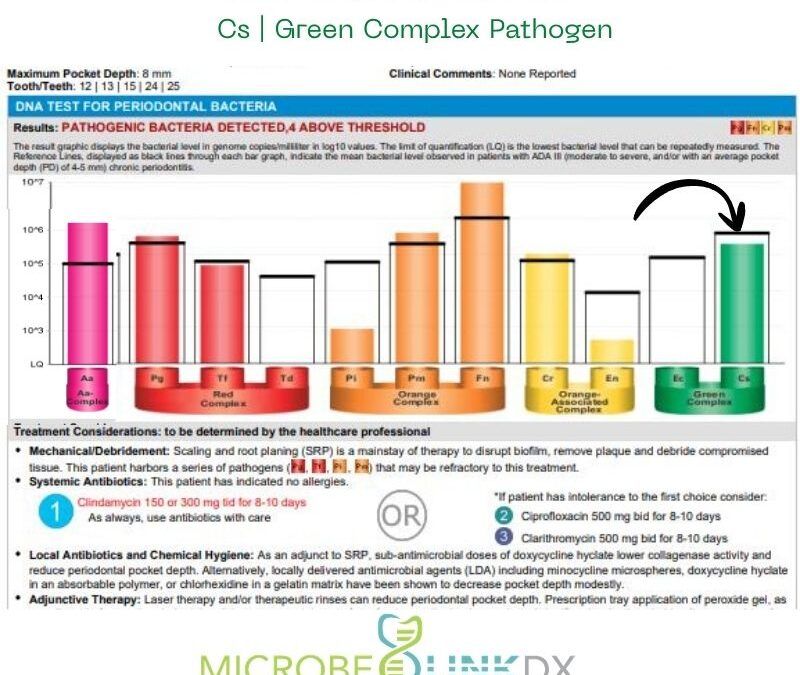
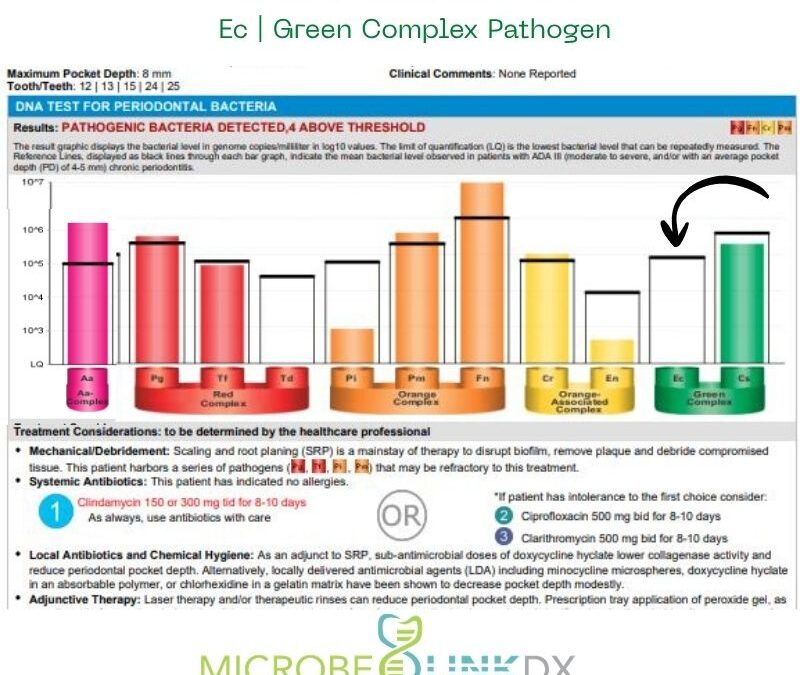
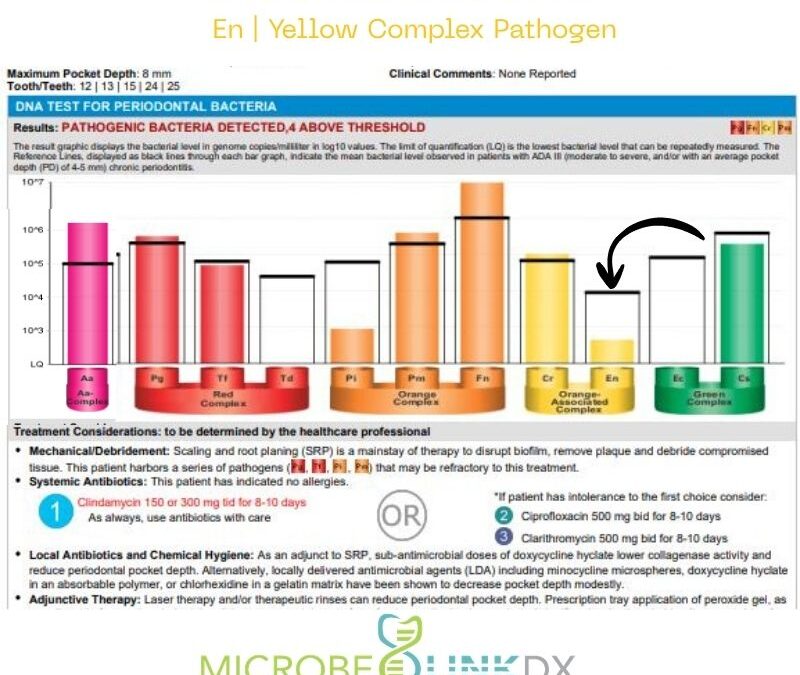
Certain microbes such as Porphyromonas gingivalis, Fusobacterium nucleatum, and Tannerella forsythia not only damage gum tissue — they also create volatile sulfur compounds (VSCs), the primary cause of persistent bad breath.
Over time, these bacteria can damage the soft tissue and bone that support your teeth, while also affecting your confidence and social comfort.
Why Mints and Mouthwash Don’t Work
Breath fresheners only mask the problem — they don’t reach the bacteria deep below the gumline. If you’ve tried rinses, gums, and sprays and still notice odor, that’s your sign to look deeper.
The good news? Modern testing can detect these bacteria early so your dental team can treat the infection at the source.
The Only Way to Know for Sure
Here’s the truth most people never hear:
You can’t see bacteria. You can’t smell which species are there. And you can’t treat what you don’t test.
The only way to identify harmful bacteria is through a bacterial culture or DNA-based test.
That’s exactly what we do at MicrobeLink Dx®.
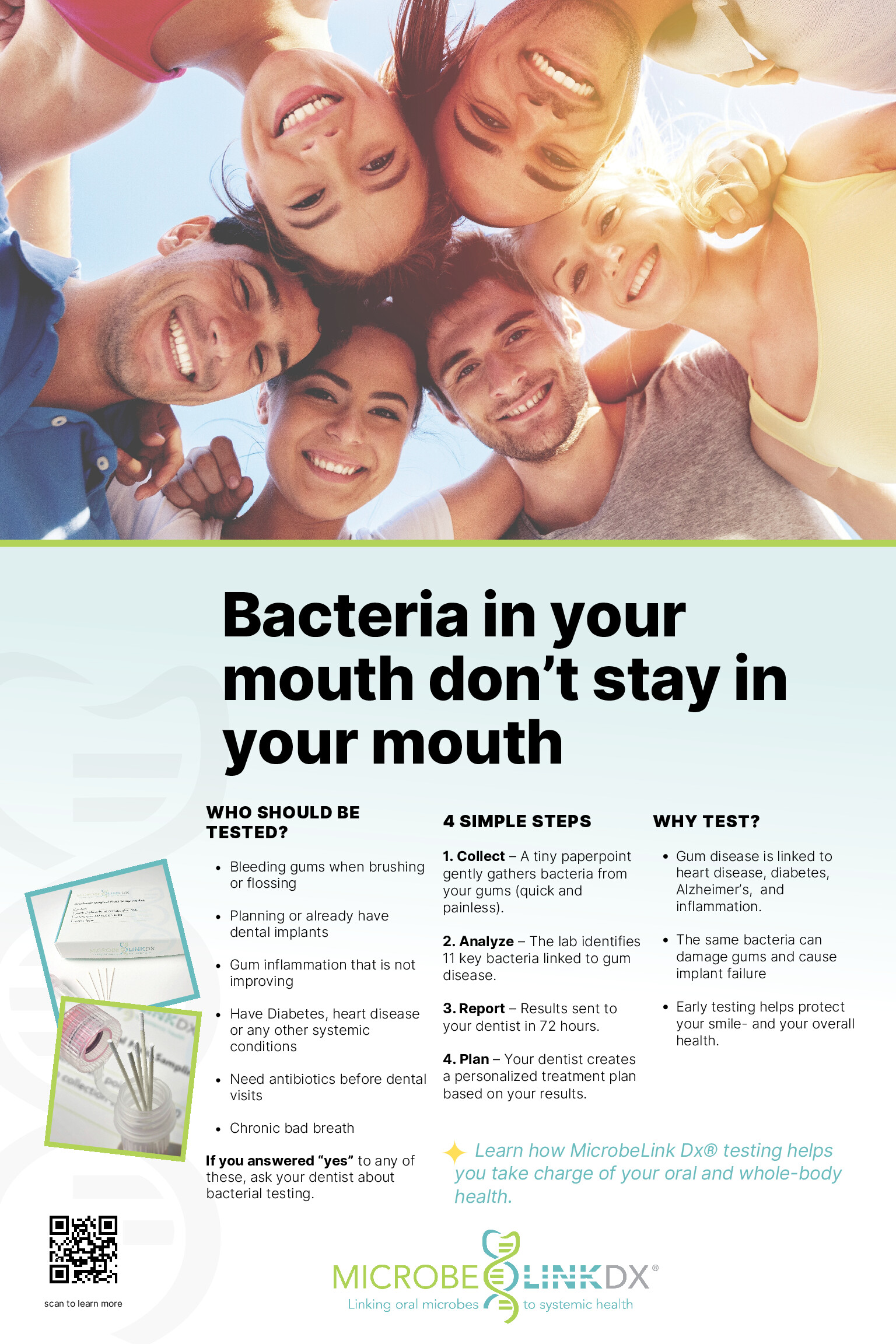
Our 11-Microbes® Test looks for the most aggressive bacteria that cause bad breath, bleeding gums, and even systemic health risks — so your dental team can treat the actual cause, not just mask the symptoms.
Why This Matters
Bad breath is a sign that something deeper is happening. Ignoring it means the bacteria keep growing — and the infection keeps spreading.
Testing gives you answers.
Treatment gives you relief.
Because fresh breath doesn’t come from a mint.
It comes from a healthy, bacteria-free mouth.
Further Reading & Publications
If you’d like to learn more, here are three excellent studies exploring the connection between oral bacteria, gum disease, and bad breath:
1️⃣ Lee Y-H, Hong J-Y. Oral microbiome as a co-mediator of halitosis and periodontitis: a narrative review. Front Oral Health. 2023;4:1229145.
Read the study here →
2️⃣ Lee Y-H, Shin S-I, Hong J-Y. Investigation of volatile sulfur compound level and halitosis in patients with gingivitis and periodontitis. Sci Rep. 2023;13:13175.
Read the study here →
3️⃣ De Geest S, Quirynen M. Periodontal diseases as a source of halitosis: a review. Periodontol 2000. 2016;70:213–227.
Read the study here →