

What Do Oral Bacteria Have to Do with Multiple Sclerosis?
For years, gum disease was thought to stay in the mouth.
But research continues to show something very different.
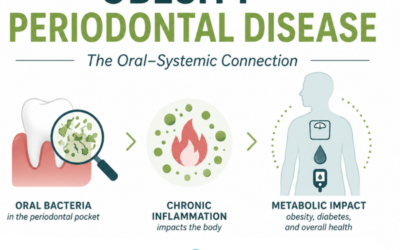
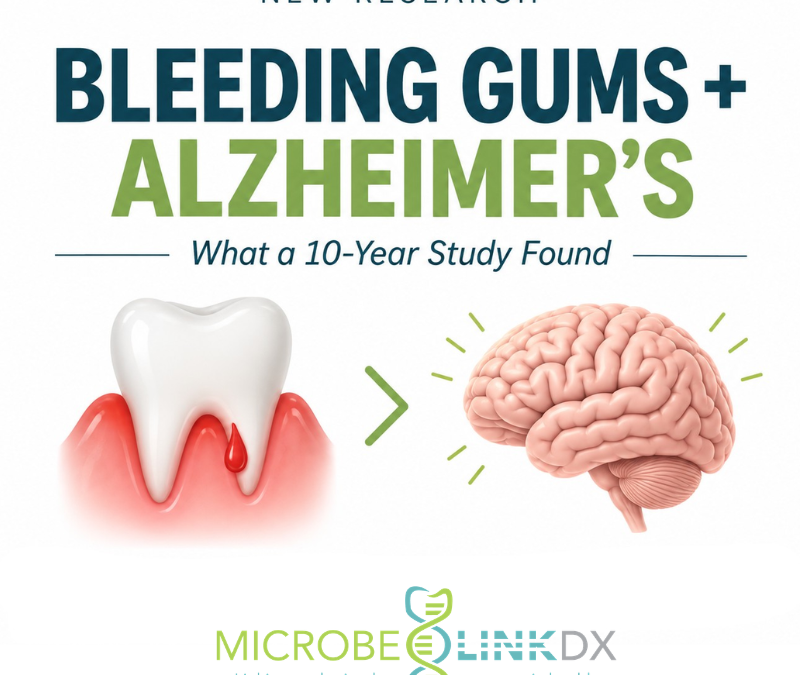
Certain oral bacteria—especially Fusobacterium nucleatum (Fn)—are now being studied for their potential role in neurological inflammation, including conditions like multiple sclerosis.
These bacteria don’t just sit in the gums.
They can enter the bloodstream, travel through the body, and contribute to systemic inflammation.
🔬 Why This Matters
Inflammation is a key driver in many chronic diseases—including MS.
When periodontal pathogens are present, they may:
- Increase systemic inflammatory burden
- Disrupt immune regulation
- Contribute to disease progression
🦠 The Bigger Picture
At MicrobeLink Dx®, we test for 11 key periodontal pathogens using paper point sampling directly from the base of the pocket—where the most harmful bacteria live.
Because understanding which bacteria are present helps guide more targeted care.
📚 Study to Reference:
👉 Hiroshima University Study (2024)
- Found Fusobacterium nucleatum in higher levels in MS patients
- Suggested link between oral bacteria and disease severity
You already saved this one 👏
Use this link in your post:
UI study links multiple sclerosis with unique oral microbiome | Department of Pathology – Carver College of Medicine | The University of Iowa