
Diabetes and oral health are more connected than most people realize.
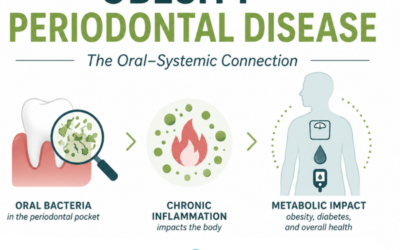
New research continues to highlight how oral dysbiosis—an imbalance of bacteria in the mouth—can drive systemic inflammation and contribute to insulin resistance.
This relationship isn’t one-directional.
It’s bidirectional.
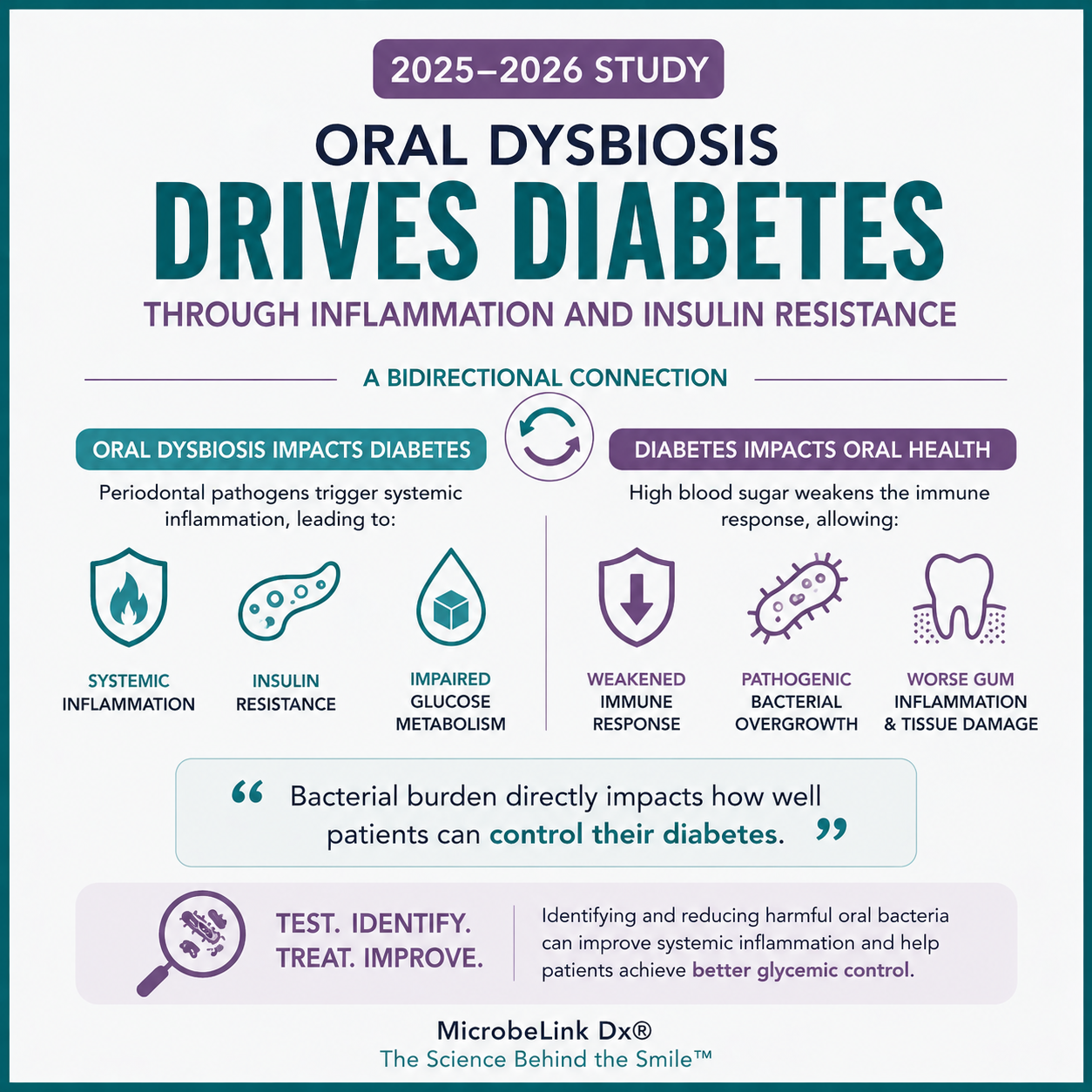
🔄 A Bidirectional Connection
🦠 Oral Dysbiosis Impacts Diabetes
Periodontal pathogens trigger systemic inflammation, leading to:
- Increased inflammatory burden
- Insulin resistance
- Impaired glucose metabolism
🍬 Diabetes Impacts Oral Health
Elevated blood sugar levels weaken the immune response, allowing:
- Pathogenic bacterial overgrowth
- Increased inflammation
- Tissue breakdown in the gums
🔬 Why Inflammation Is the Key
Inflammation is the bridge between oral bacteria and metabolic disease.
When harmful bacteria are present, they stimulate the release of inflammatory mediators that interfere with the body’s ability to regulate blood sugar.
👉 Bacterial burden directly impacts how well patients can control their diabetes.
🧪 Why Identifying the Bacteria Matters
Not all bacteria carry the same level of risk.
Some drive inflammation.
Some enable disease progression.
Others interfere with healing.
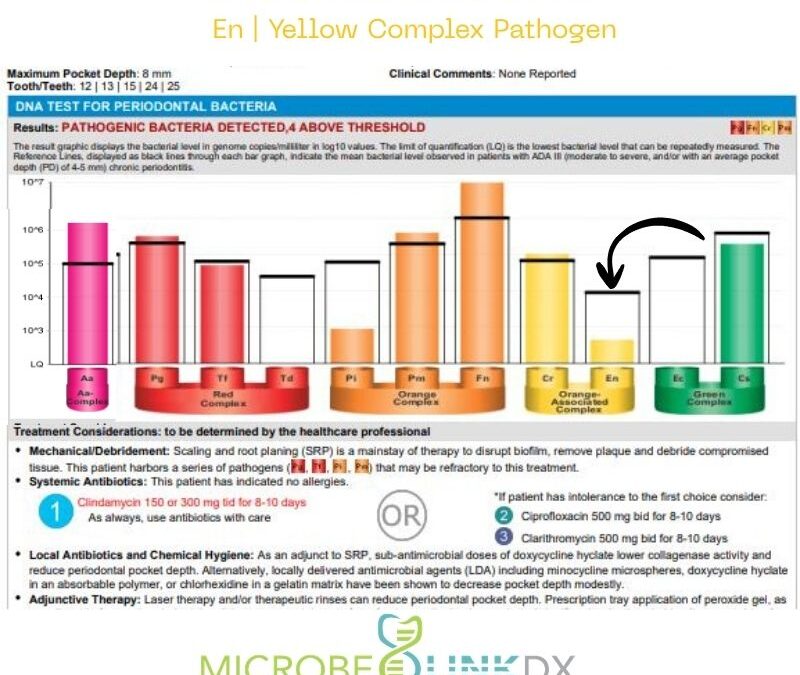
MicrobeLink Dx® identifies 11 key periodontal pathogens using qPCR technology from the base of the pocket—where harmful bacteria thrive.
This gives clinicians a clearer picture of infection and helps guide more targeted care.
💡 Clinical Takeaway
When oral bacteria are left unidentified, inflammation continues unchecked.
When we test, identify, and treat, we give patients a better chance at:
- Reducing inflammation
- Improving glycemic control
- Supporting overall health
🔚 Conclusion:
Oral dysbiosis doesn’t just affect the gums.
It plays a measurable role in systemic health—especially in conditions like diabetes.
Understanding the bacteria is the first step toward improving outcomes.
Research continues to support a bidirectional relationship between periodontal disease and diabetes, with inflammation serving as the key link between oral infection and metabolic dysfunction.