

When Should Systemic Antibiotics Be Started During Periodontal Therapy?

Aug 5, 2026 | Clinical Insights, Practice Resources

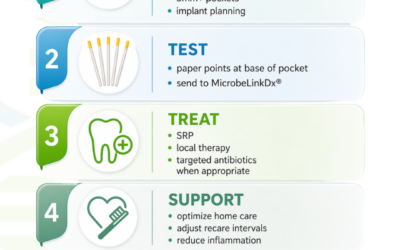
Paper points and systemic antibiotics illustrating the timing of adjunctive antibiotic therapy during periodontal treatment.

New Study: When Should You Start Systemic Antibiotics?

One of the questions I hear most often is:

“If I’m going to prescribe systemic antibiotics, when should I start them?”

A newly published study in the Journal of Periodontology looked at exactly that question by comparing patients who started systemic antibiotics during scaling and root planing with those who started after periodontal therapy was completed.

🎥 Watch my quick video below for the highlights.


Study Takeaway

This study found that patients who started systemic antibiotics during active periodontal therapy experienced a faster shift toward a healthier subgingival microbiome, although long-term clinical outcomes were similar between the two groups.


My Clinical Takeaway

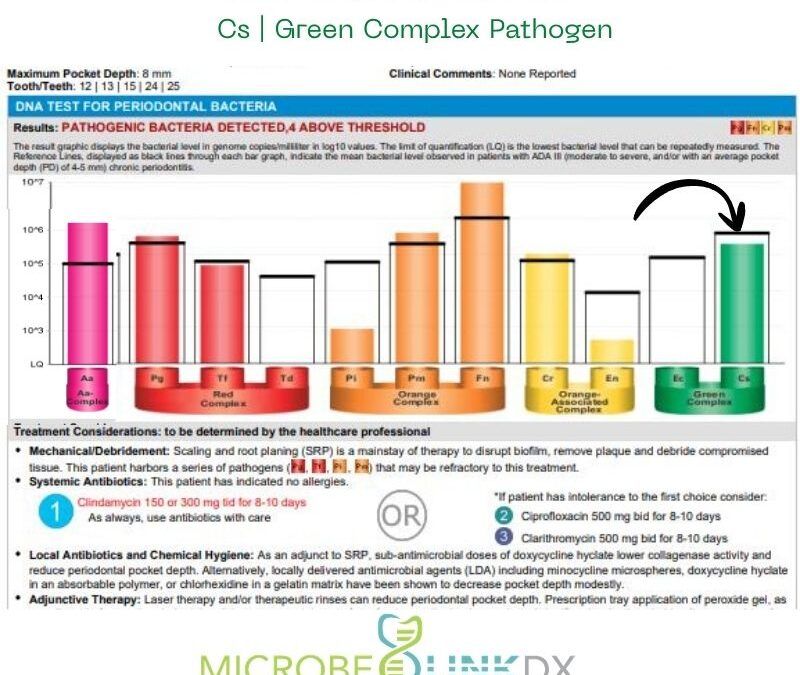
I’ve always recommended collecting the bacterial sample first, reviewing the report, and—when systemic antibiotics are indicated—starting the recommended antibiotic during scaling and root planing. As we disrupt the biofilm, the antibiotics have a better opportunity to penetrate the tissues and target the bacteria identified on the report.

Remember, systemic antibiotics are not appropriate for every patient. Mechanical debridement remains the foundation of periodontal therapy, with bacterial testing helping identify the patients who may benefit most from adjunctive therapy.


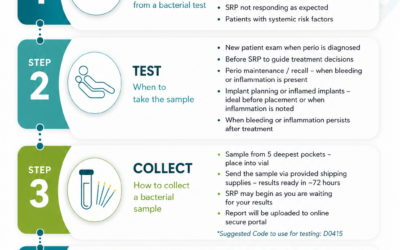
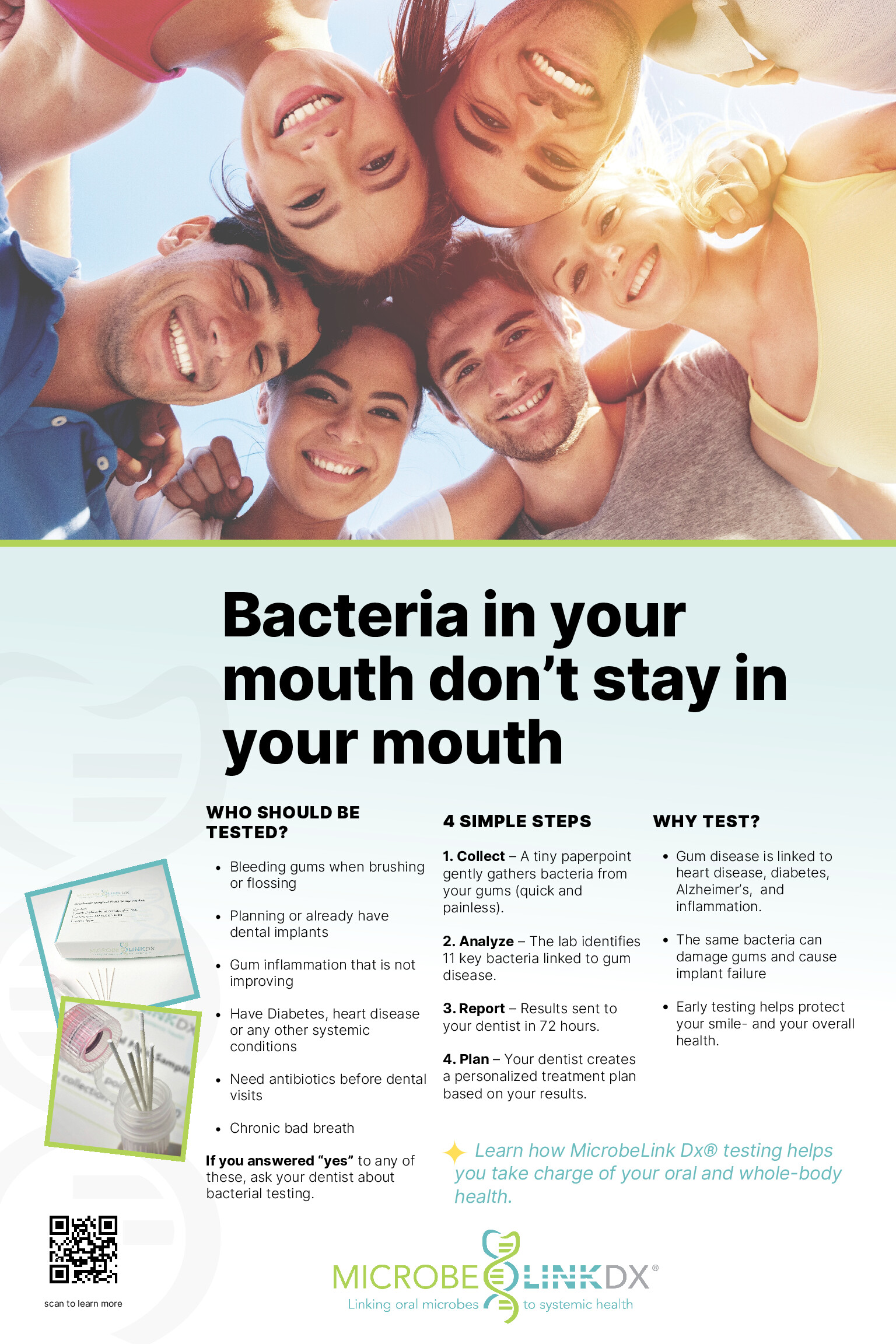
Patients I Commonly Consider for Bacterial Testing

  • Advanced periodontal disease
  • Refractory periodontal cases
  • Persistent inflammation after therapy
  • Peri-implant disease
  • Patients with significant systemic risk factors

Questions?

I’d be happy to help you determine which patients may benefit from bacterial testing or review reports with you and your team.

📅 Schedule a complimentary Zoom


Reference
Fermiano D, et al. Does timing of systemic antibiotics influence periodontal treatment outcomes? Journal of Periodontology. 2026.

You may also like…

The Latest

Who Should Be Tested with MicrobeLink Dx®? | 11-Microbes DNA-PCR Test

Who Should Be Tested with MicrobeLink Dx®? | 11-Microbes DNA-PCR Test

🦠 Not every patient needs bacterial testing… but the right ones do.With MicrobeLink Dx®, you can identify the patients most at risk—catching infection early and preventing bigger problems down the road. Who should be tested?✔️ Patients with bleeding gums (an early...

Capnocytophaga sp. (Cs): The Immune Watcher

Capnocytophaga sp. (Cs): The Immune Watcher

Meet Cs: The Immune Watcher 👀 Immune-Response Associated | Green Complex Capnocytophaga species — or Cs — can be present at low levels in the mouth, but the amount matters. Think of Cs as “The Immune Watcher.” Cs is associated with gum inflammation and may become more...

Eikenella corrodens (Ec): The Opportunist

Eikenella corrodens (Ec): The Opportunist

Meet Ec: The Opportunist 🦠 Opportunistic Pathogen | Green Complex Eikenella corrodens — or Ec — is a little different from some of the other bugs we've met. Think of Ec as “The Opportunist.” Ec is usually found alongside other bacteria and may become more significant...

Eubacterium nodatum (En): The Long-Hauler

Eubacterium nodatum (En): The Long-Hauler

Meet En: The Long-Hauler 🦠 Immune-Response Associated Pathogen | Yellow Complex Eubacterium nodatum — or simply En — is typically found in more advanced periodontal disease and often shows up alongside other high-risk bacteria. Think of En as “The Long-Hauler.” When...

Campylobacter rectus (Cr): The Persistent Mover

Campylobacter rectus (Cr): The Persistent Mover

Meet Cr: The Persistent Mover 🏃 Motile Periodontal Pathogen | Yellow Complex Campylobacter rectus — or Cr — is a motile periodontal pathogen associated with ongoing inflammation and disease progression. Think of Cr as “The Persistent Mover.” It's more commonly...