
How to Understand 11-Microbes Test Results and Treatment Options
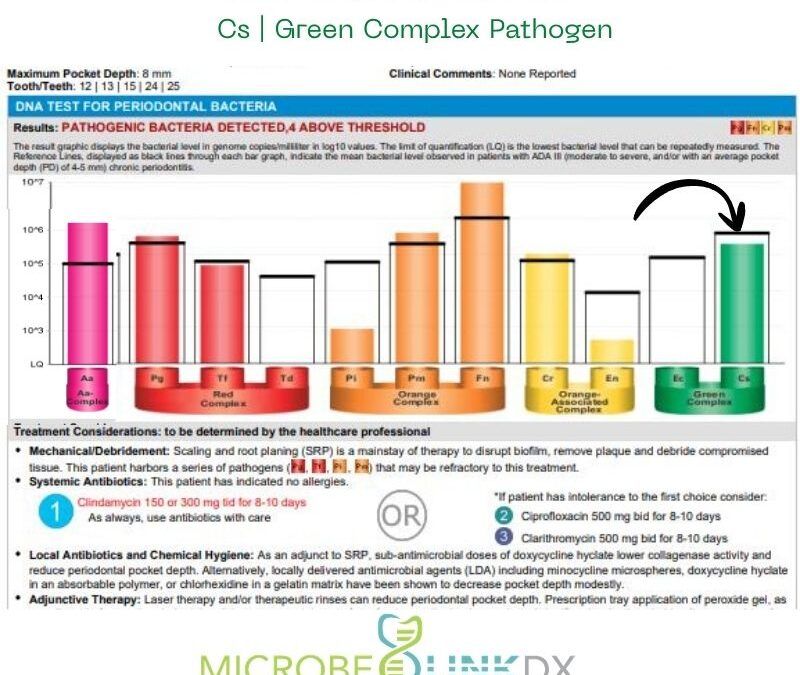
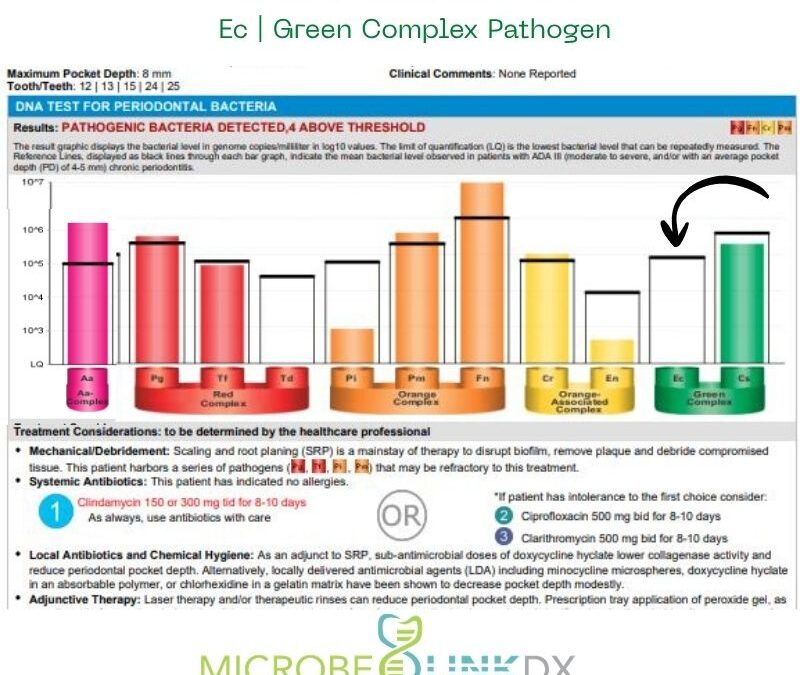
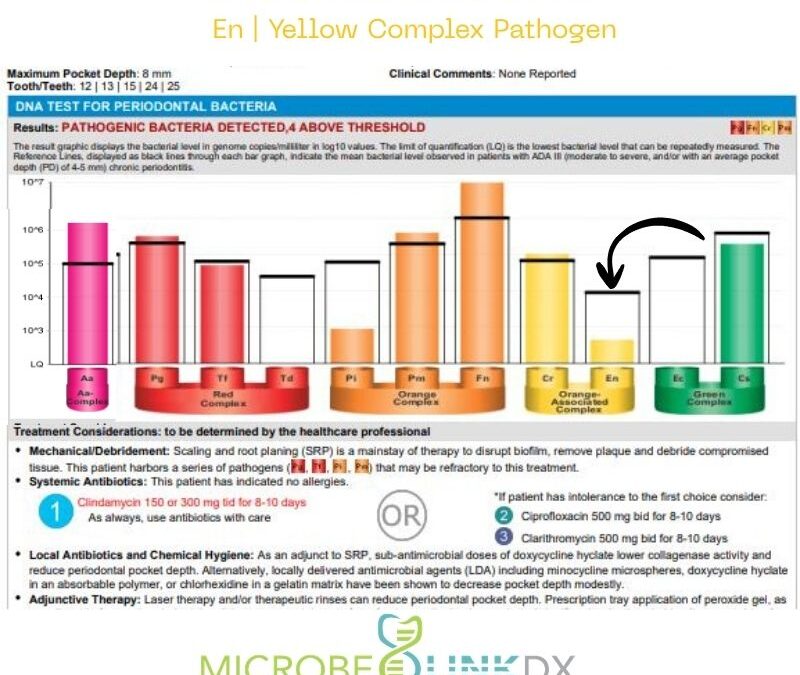
If you have been diagnosed with periodontal disease, you may have taken an 11-microbes test to determine the type and level of bacteria in your mouth. This test is a powerful tool that helps your dentist create a personalized treatment plan for you. But what does the test report mean and how can you use it to improve your oral health?
To help you answer these questions, we have created two patient information pages that explain everything you need to know about the 11-microbes test. These pages are easy to read, informative, and user-friendly. They will help you understand your test results and treatment options better.
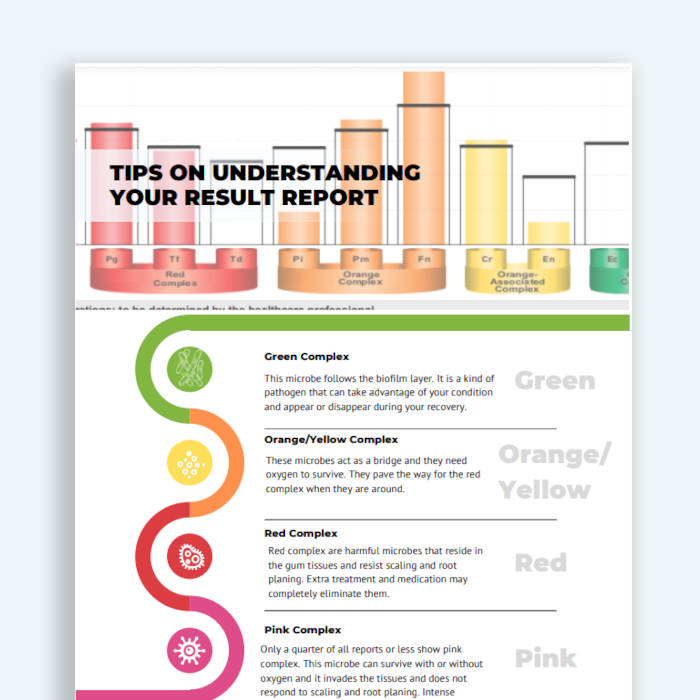
The first page is a guide on how to interpret your result report. It covers the following topics:
- What is the 11-microbes test and why is it important?
- How to read the report and what each section means
- What are the normal ranges and what do they indicate?
- What are the possible treatment options and how to choose the best one for you?
- What are the benefits of taking the test and following the treatment plan?
- How to monitor your progress and prevent recurrence of periodontal disease?
You can download this page Here
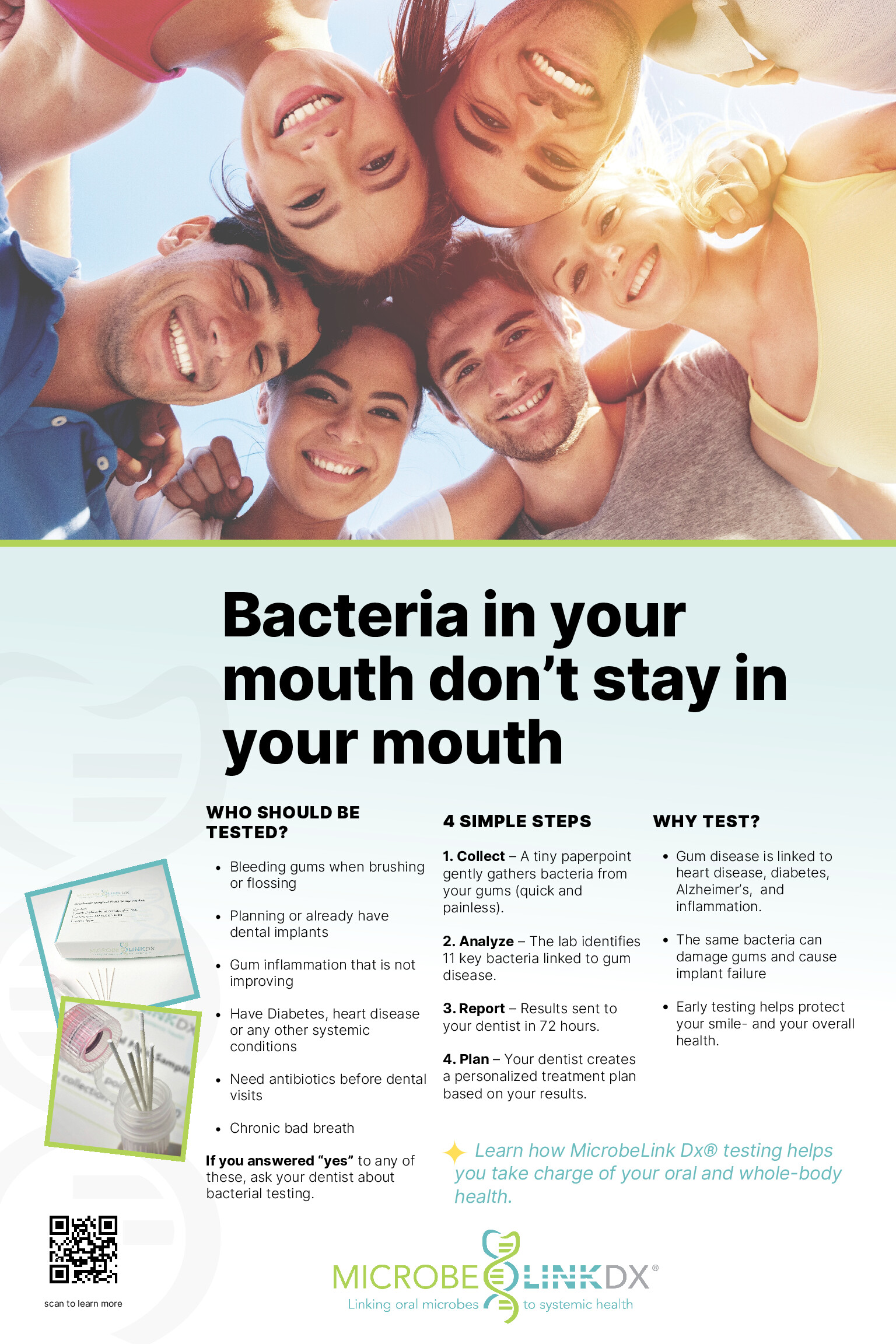
The second page is to explain why you may need an 11-microbes test and how it can help you. It covers the following topics:
- What are the signs and symptoms of periodontal disease?
- How does periodontal disease affect your overall health and well-being?
- What are the risk factors and causes of periodontal disease?
- How does the 11-microbes test work and what does it measure?
- How can the 11-microbes test help you prevent, treat, and manage periodontal disease?
You can download this page Here
These patient information pages are a valuable resource that you can use to educate yourself and your family about your health condition. We recommend that you print them out and add them to your patient info packet for future reference.
If you have any feedback or suggestions on how we can improve these pages, please let us know. We appreciate your input and support. Thank you for choosing us. 😊